


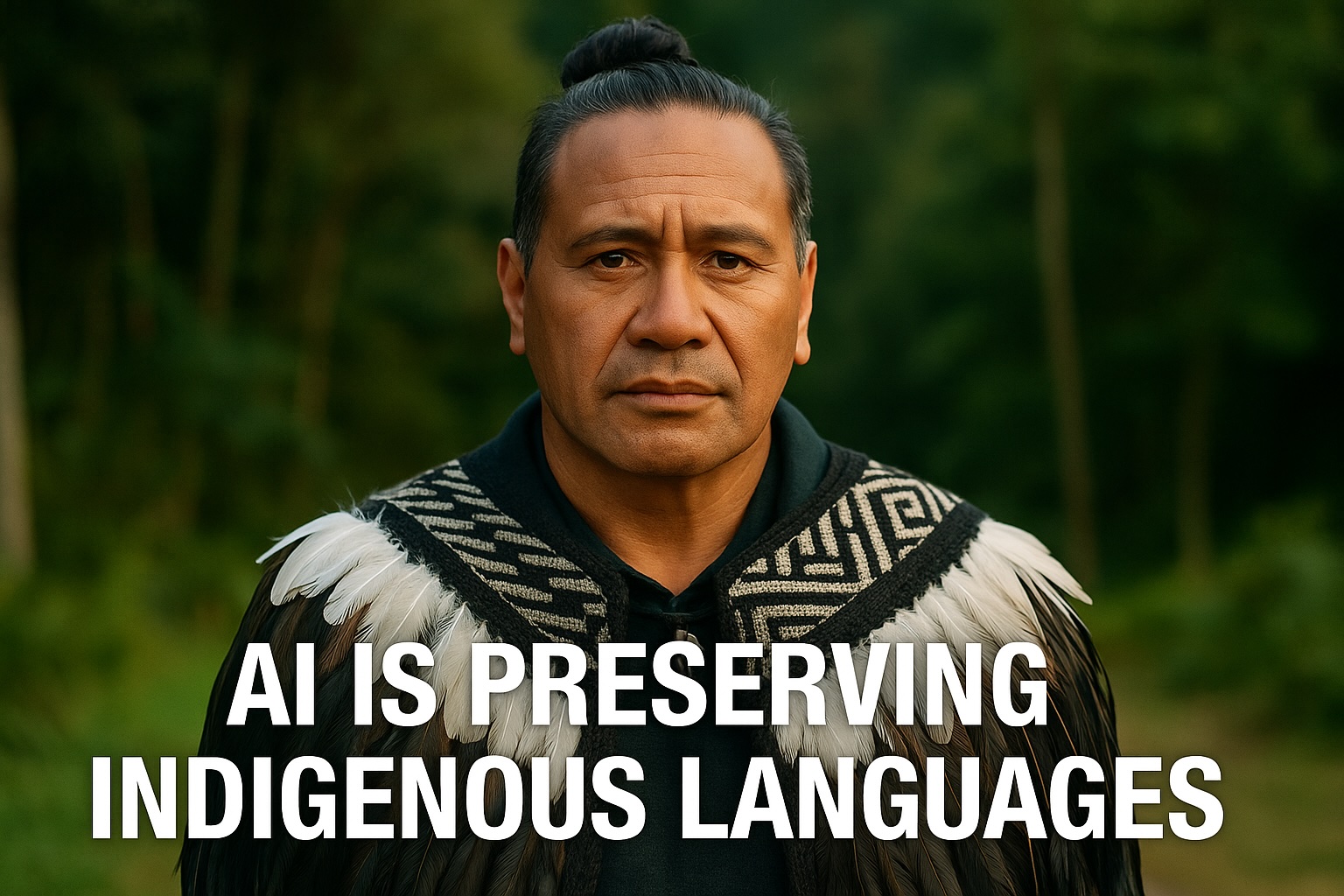
We lose a language every two weeks, and with it, centuries of wisdom vanish forever. This alarming rate of language extinction, reported by the United Nations, represents an irreversible loss of cultural knowledge and identity.
But something remarkable is happening at the intersection of ancient oral traditions and cutting-edge technology.
Voice AI technologies are creating unprecedented opportunities to preserve languages that might otherwise disappear. These tools don’t just record words – they capture the living essence of languages as they’re actually spoken.
How AI Voice Technology Preserves Indigenous Languages
The preservation of indigenous languages requires more than just documenting vocabulary and grammar. It demands capturing the nuances, rhythms, and cultural context that make each language unique.
In New Zealand, a Māori broadcaster called Te Hiku Media has developed automatic speech recognition models for te reo Māori with 92% accuracy. This indigenous-led initiative demonstrates how community ownership of language technology produces superior results.
What makes this approach powerful is that it’s created by and for the community it serves. The technology adapts to the language rather than forcing the language to adapt to technology.
Voice Cloning Bridges Generations
Perhaps the most promising application is voice cloning technology, which can preserve elder voices and wisdom for future generations.
This technology creates a bridge between past and present, allowing cultural knowledge to be transmitted even after the passing of knowledge holders. AI voice cloning enables younger generations to hear stories, songs, and traditions in the authentic voices of elders.
The impact goes beyond mere preservation. It creates living archives that maintain the emotional connection and cultural context essential for true language revitalization.
From Indigenous Languages to Family Legacies
At Family Voices AI, we see striking parallels between indigenous language preservation and family storytelling. Both involve capturing voices that carry cultural wisdom before they’re lost forever.
Just as indigenous communities use AI to preserve their languages, families can use similar technology to preserve their stories and wisdom. The person who keeps family scrapbooks, builds the family tree, and collects family stories can now add voice preservation to their toolkit.
This technology makes it possible to create interactive family trees where future generations can hear their ancestors tell family stories in their own voices.
Making Advanced Technology Accessible
The key to successful preservation lies in making these advanced technologies accessible to everyday people. Complex tools must become simple enough for anyone to use, regardless of technical expertise.
We believe in breaking down what can be scary new concepts so they’re easily understood and usable by everyone. Technology should serve people, not intimidate them.
This approach ensures that voice preservation becomes a practical tool for both indigenous communities and families alike.
Community Ownership of Voice Data
A critical aspect of ethical voice preservation is ensuring communities and families maintain control over their voice data and stories.
The Kōrero Māori project incorporates regulations like the Kaitiakitanga license, which ensures local data sovereignty and prohibits the use of cultural data in ways that violate human rights.
Similarly, families should maintain ownership and control over their voice recordings and stories. This respects privacy while ensuring that voices are preserved in ways that honor their original context.
Building Bridges to the Future
Voice preservation technology represents a crucial bridge between traditional oral knowledge systems and digital documentation.
By capturing not just words but the distinctive voices of elders and storytellers, we create more authentic language learning experiences. These preserve cultural transmission methods that extend beyond textual documentation.
The future of this technology holds even more promise. Interactive video agents could allow future generations to have conversations with ancestors, learning directly from them about family history and cultural traditions.
A New Chapter in Cultural Preservation
The convergence of AI and voice preservation signals a potential turning point in the global struggle against cultural extinction.
These technologies may be arriving at a critical moment when many languages and family stories are at risk of disappearance. They offer scalable solutions that can be deployed across multiple communities simultaneously.
The emphasis on community ownership throughout these initiatives suggests an evolving model of technological empowerment rather than technological dependency.
By making these tools accessible to everyone, we can ensure that the voices of the past continue to guide and inspire future generations.