


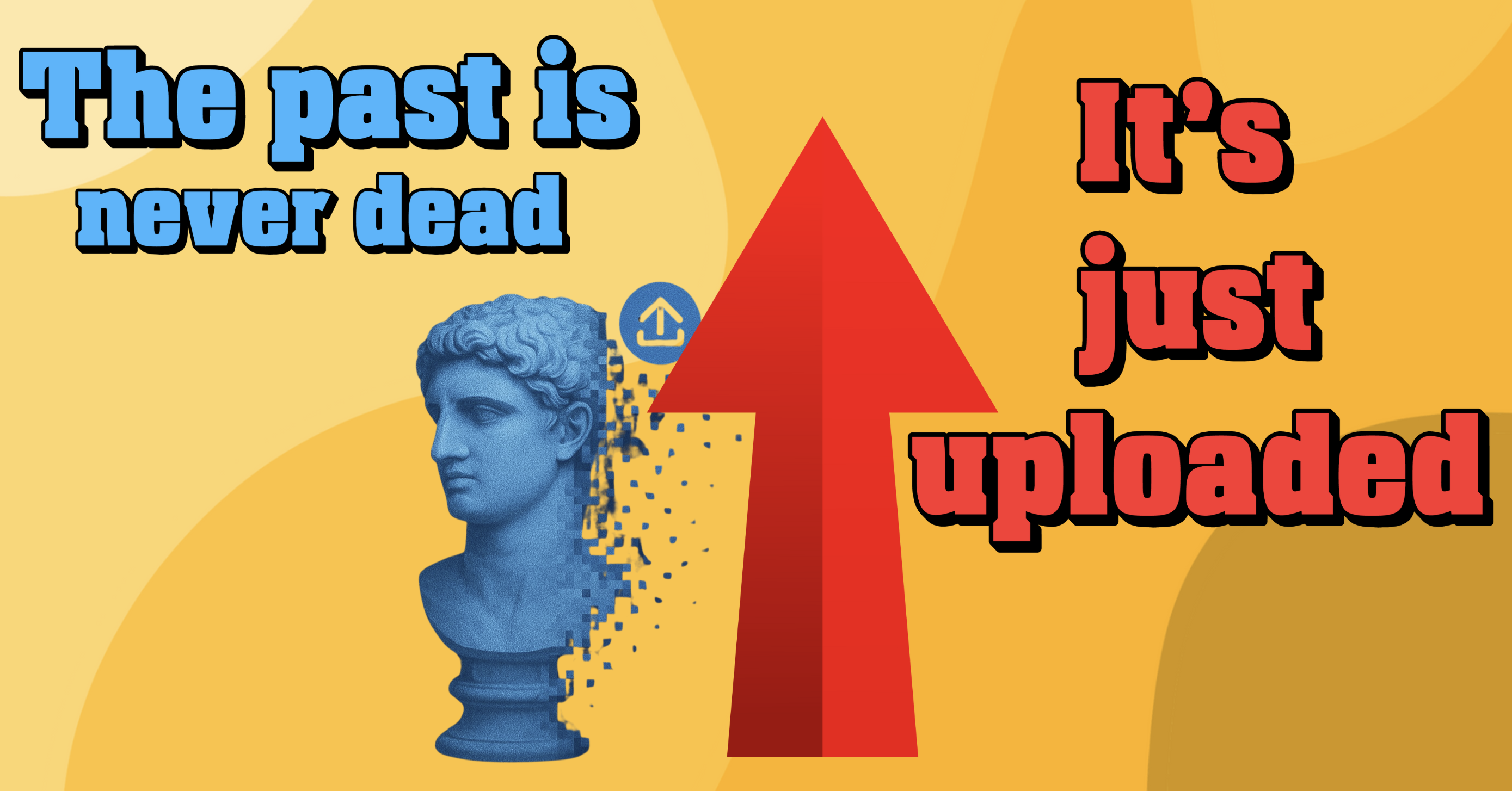
Death has always been final. Until now.
Google DeepMind and University of Colorado researchers recently proposed “Generative Ghosts” – AI digital twins that continue existing after you’re gone. Not just static recordings, but interactive versions of ourselves that can discuss current events, offer advice, and even work jobs.
Let’s be honest: this technology is coming whether we’re comfortable with it or not.
As someone working at the intersection of voice technology and family legacy, I’ve seen firsthand how preserving voices creates profound connections across generations. But creating fully autonomous digital versions of ourselves that continue generating new content? That’s something entirely different.
The implications are staggering. Imagine your digital twin continuing your career after death, generating income for your family. Life insurance becomes obsolete when your AI ghost keeps working. Your digital self could guide grandchildren you never met through life decisions, sharing wisdom based on your values and personality.
But should we embrace this future?
Public opinion is deeply divided. Research shows 38% of consumers find AI afterlives unacceptable, while 35% welcome the idea. The rest remain uncertain, caught between fascination and discomfort.
This ambivalence makes sense. Digital immortality raises profound questions about identity, consent, and what it means to be human.
Who controls your digital ghost? Can it be turned off? Should it evolve beyond your living personality or remain frozen in time? What happens when your digital twin says something you never would have said in life?
Estate planning will need complete reinvention. Beyond distributing physical assets, we’ll need frameworks for managing digital identities, determining who controls your AI twin, and setting boundaries for how it operates.
At Family Voices AI, we’re exploring how voice preservation can connect generations through authentic family stories. But there’s a crucial distinction between preserving what was genuinely said and creating systems that generate new content in someone’s voice.
The technology enabling digital afterlives isn’t science fiction. Voice cloning, natural language processing, and personality modeling are advancing rapidly. The question isn’t if this future arrives, but how we’ll navigate it.
We need thoughtful regulation before corporate interests dictate the terms of digital afterlife. Who owns your digital twin? What rights do the deceased have? Can companies use your digital ghost for purposes you never consented to while alive?
Death has always represented the ultimate boundary of human experience. Now technology is erasing that line. Whether this represents humanity’s greatest achievement or a profound mistake depends entirely on how we implement it.
The digital afterlife is coming. The only question is whether we’ll shape it thoughtfully or let it shape us.
Please comment. I am eager to hear your thoughts on this.