


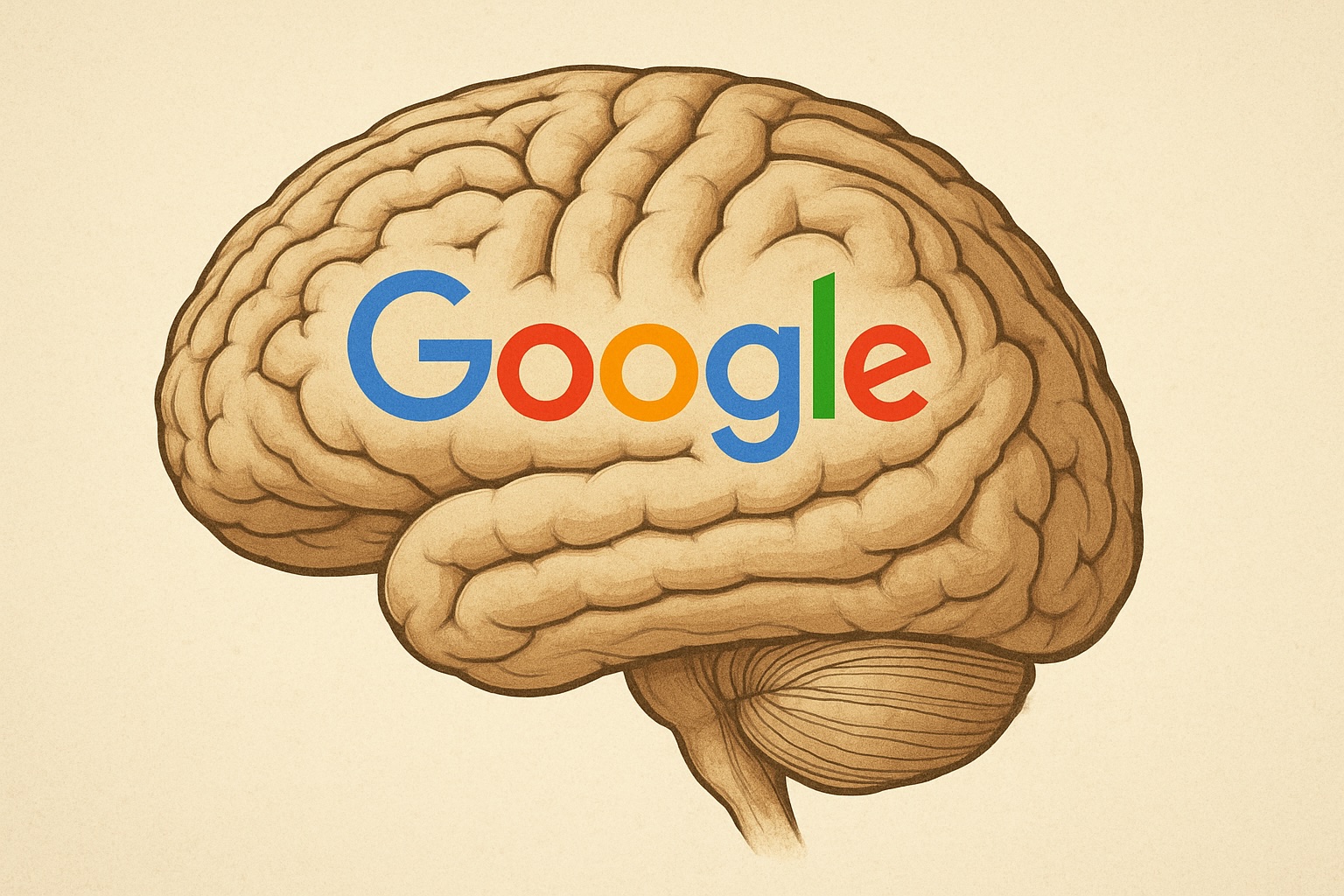
We forget things now. Names slip away, dates blur together, and facts we once memorized vanish into digital clouds. But this transformation in how our brains work isn’t a sign of collective decline – it’s adaptation at its finest.
Research calls it the “Google Effect.” When we know information exists online, our brains prioritize remembering where to find it rather than storing the information itself. This cognitive outsourcing feels alarming until we consider how memory has always worked.
Human memory evolved first through oral traditions, with designated storytellers carrying cultural knowledge. Writing systems transformed this process, allowing knowledge to exist outside human minds. Digital technology simply accelerates this ancient pattern – we’re becoming navigators of information rather than warehouses for it.
What matters isn’t raw data storage but meaningful connection to information. Your grandmother’s birth date matters less than her stories. The exact timeline of family migrations matters less than understanding why your ancestors moved. The precise recipe matters less than the feeling of preparing it together.
This shift mirrors how families have always preserved what matters. Before technology, family stories passed through designated memory-keepers – those who remembered the names, dates, and tales that connected generations. These individuals didn’t memorize every detail but knew which aunt had which photos, which uncle remembered specific stories, and how to access collective family knowledge.
Technology now allows us to preserve voices, faces, and stories with unprecedented fidelity. The question isn’t whether we should resist outsourcing memory but how we can use these tools to preserve what truly matters.
From Storage to Navigation
Our brains still excel at what they evolved to do – recognizing patterns, forming emotional connections, and navigating complex social systems. By offloading data storage, we free cognitive resources for these uniquely human capacities.
When a family preserves stories digitally, they aren’t abandoning memory but transforming it. The technology doesn’t replace the emotional resonance of hearing your grandfather’s voice tell a childhood story – it preserves that experience for future generations who would otherwise never access it.
The most meaningful aspects of memory have always been about connection rather than data. We remember how someone made us feel long after we forget their exact words. We carry the essence of family traditions even when details fade.
Meaningful Preservation
As we navigate this cognitive evolution, the question becomes not what technology does to our memory but what we choose to preserve. When everything can be recorded, saved, and accessed, we must decide what deserves preservation.
Family stories connect us to our roots and shape our understanding of ourselves. They provide context for our existence and guidance for our futures. The technology that helps us preserve these stories doesn’t diminish their importance – it acknowledges it.
The Google Effect isn’t making us dumber. It’s allowing us to focus on what humans do best – finding meaning, forming connections, and navigating complex information landscapes. Our brains aren’t failing; they’re adapting to a world where information storage happens externally while meaning-making remains deeply personal.
In this evolution, we don’t lose our memories. We transform how we access them, focusing less on storing facts and more on preserving what gives those facts meaning – the voices, stories, and connections that truly matter.